
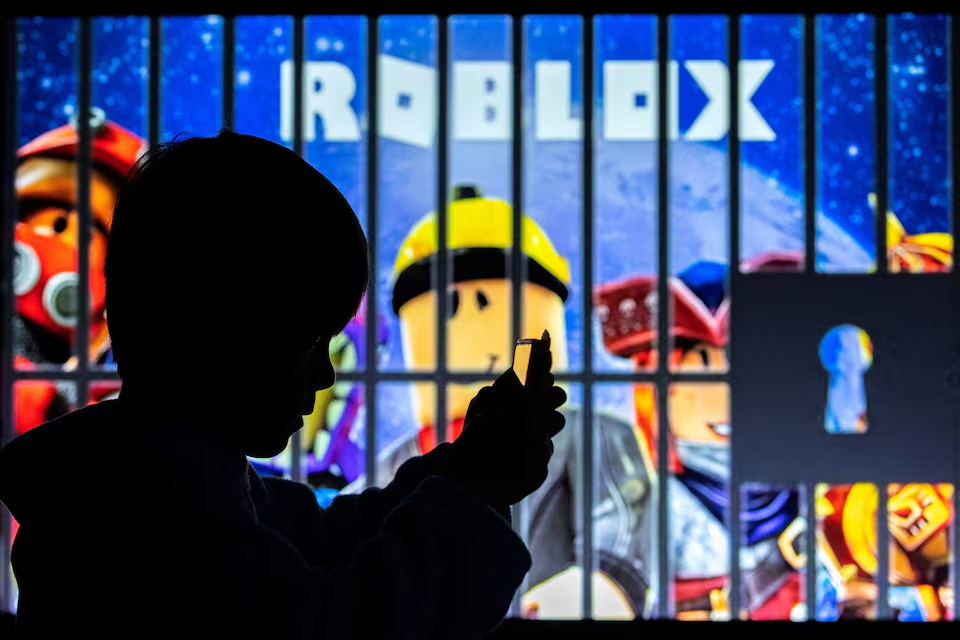

Russia’s decision to block the U.S. gaming platform Roblox has triggered an unusual public debate among children, parents, and officials over how far state censorship should go in a digital world where restrictions are often easy to bypass. The ban, imposed earlier this month, has highlighted tensions between Moscow’s drive to control online content and the realities of internet use among younger Russians.
Russia’s communications watchdog Roskomnadzor said it blocked access to Roblox because the platform allegedly contains inappropriate material, promotes extremist and LGBT-related content, and has been used by paedophiles. The decision fits into a broader wartime crackdown on foreign digital platforms, as authorities tighten control over online narratives amid the conflict in Ukraine.
However, the move struck a nerve. In the Siberian city of Tomsk, a small group of protesters gathered with signs reading “Hands off Roblox” and calling the game a victim of what they described as a new digital Iron Curtain. Such demonstrations are rare in Russia and underscored how strongly some young users and families feel about the ban.
A spokesperson for Roblox told Reuters the company was prepared to cooperate with Russian regulators. The platform, they said, was willing to temporarily limit certain communication features in Russia and revise moderation practices to meet local legal requirements, while continuing dialogue aimed at restoring access. Roblox has long said it offers built-in safety tools and seeks to create an age-appropriate environment for its users.
Children, VPNs and the question of effectiveness
Russian authorities argue that censorship is necessary to defend the country against what they describe as a Western information war and cultural influence that threatens traditional values. Yet for many young Russians, Roblox represented more than a game. It offered a way to explore virtual worlds and connect with peers abroad. The Kremlin has said it received numerous messages from young people unhappy with the decision, though it provided no further details.
Fourteen-year-old Polina Gerina said the ban felt unnecessary. She described Roblox as fun and harmless, echoing a sentiment shared by her younger sisters, who also played on the platform. They argued that blocking the game would not stop children from accessing it.
Indeed, many Russians already use virtual private networks, or VPNs, to get around online restrictions. Although authorities have banned hundreds of VPN services this year, new ones continue to emerge. As a result, some young users openly question why platforms are blocked at all if access can be restored in minutes, and why there are so few domestic alternatives that match their appeal.
The widespread use of VPNs has raised concerns among supporters of tougher online controls. Yekaterina Mizulina, head of the Safe Internet League, warned that mass circumvention undermines respect for government decisions and exposes children to security risks. She questioned how many young people rushed to download VPN apps immediately after Roblox was blocked. Mizulina, who is under European Union sanctions for her role in enforcing censorship, said some youths even expressed a desire to leave Russia because of the ban.
Parents remain divided. Maria Gerina, the mother of three Roblox users, said she did not support a full ban but wanted stronger oversight of content and communication on gaming platforms. Better monitoring, she argued, would offer reassurance without cutting children off entirely.
In the end, the Roblox case has become a broader test of Russia’s digital controls. As critics point out, removing one platform rarely eliminates the underlying concerns. If Roblox disappears, another game or service is likely to take its place, leaving unanswered questions about where censorship ends and effective protection truly begins.
