

Bad Bunny turned the Super Bowl halftime show into a sweeping tribute to Puerto Rico on Sunday night, using one of the most-watched stages in the world to spotlight Latin identity, reggaeton history and his own rise to global stardom. The performance, staged at Levi’s Stadium, featured a surprise appearance by Lady Gaga and came amid political backlash from U.S. conservatives.
The show marked another milestone for Latin music in the NFL’s marquee event, following last year’s record-setting halftime performance by Kendrick Lamar. For Bad Bunny, born Benito Antonio Martínez Ocasio, the moment was less about spectacle alone and more about narrative — placing Puerto Rican culture front and center for a global audience.
The decision to headline the show drew criticism from President Donald Trump, who has previously clashed with the artist over immigration and social issues. Trump posted on social media during the broadcast, calling the performance “absolutely terrible,” echoing broader conservative criticism of the artist’s political positions.
Dressed in white, Bad Bunny opened the set with “Tití Me Preguntó,” moving through scenes designed to reflect everyday life on the island — from domino games and boxing gyms to rural imagery tied to Puerto Rican tradition. Rather than a single main stage, the performance unfolded across multiple locations, including a smaller set dubbed “La Casita.”
At that stage, Bad Bunny performed tracks including “Yo Perreo Sola,” “Safaera” and “Party,” as cameras caught celebrities such as Pedro Pascal, Karol G, Cardi B and Jessica Alba dancing in the stands.
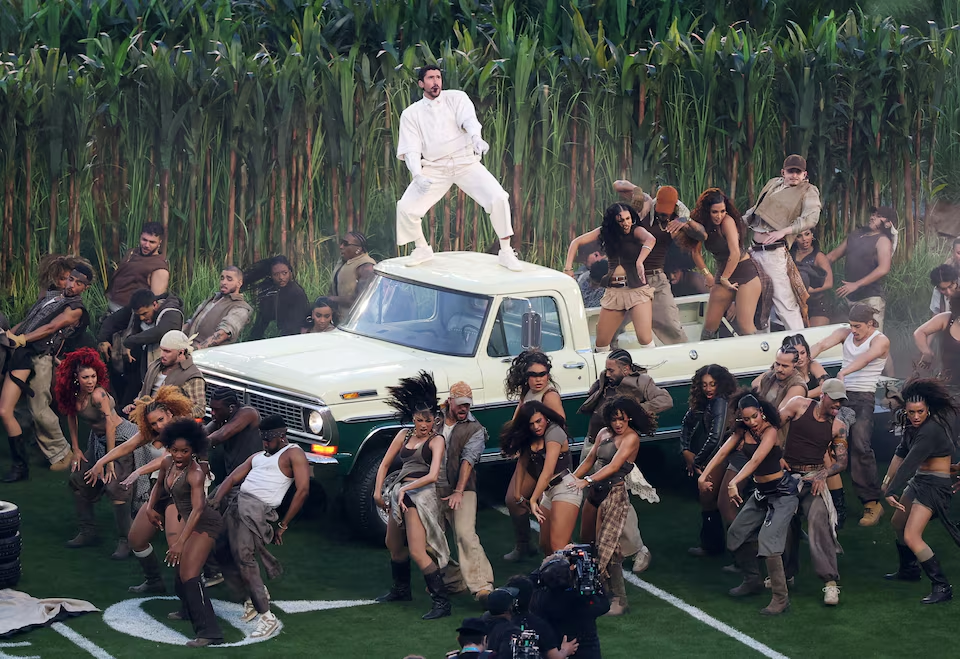
One of the most dramatic moments came when Bad Bunny burst through the roof of the set mid-song, before transitioning to a white truck where dancers performed a reggaeton medley honoring the genre’s roots. The sequence referenced classics such as Daddy Yankee’s “Gasolina” and Don Omar’s “Dale Don Dale,” tying the modern sound back to its origins.
As violins introduced “Monaco,” Bad Bunny addressed the crowd, saying his Super Bowl appearance was the result of unwavering self-belief. The statement underscored a recurring theme of the show: persistence, identity and visibility.
The biggest surprise arrived when Lady Gaga appeared during a staged wedding segment, performing a salsa-style version of “Die With A Smile” before dancing alongside Bad Bunny. The show later referenced his Grammy Awards win for Album of the Year — the first Spanish-language album to receive the honor — with footage of a child watching the ceremony with family.
The finale brought out Ricky Martin for a joint performance, followed by Bad Bunny waving the Puerto Rican flag during “El Apagón.” As lights filled the stadium and flags from across the Americas were displayed, screens carried the message: “The only thing more powerful than hate is love.”
Bad Bunny closed the set with “DtMF,” the title track from his Grammy-winning album Debí Tirar Más Fotos, ending a halftime show that functioned as both entertainment and cultural statement — one that celebrated heritage while challenging critics watching from the sidelines.
