
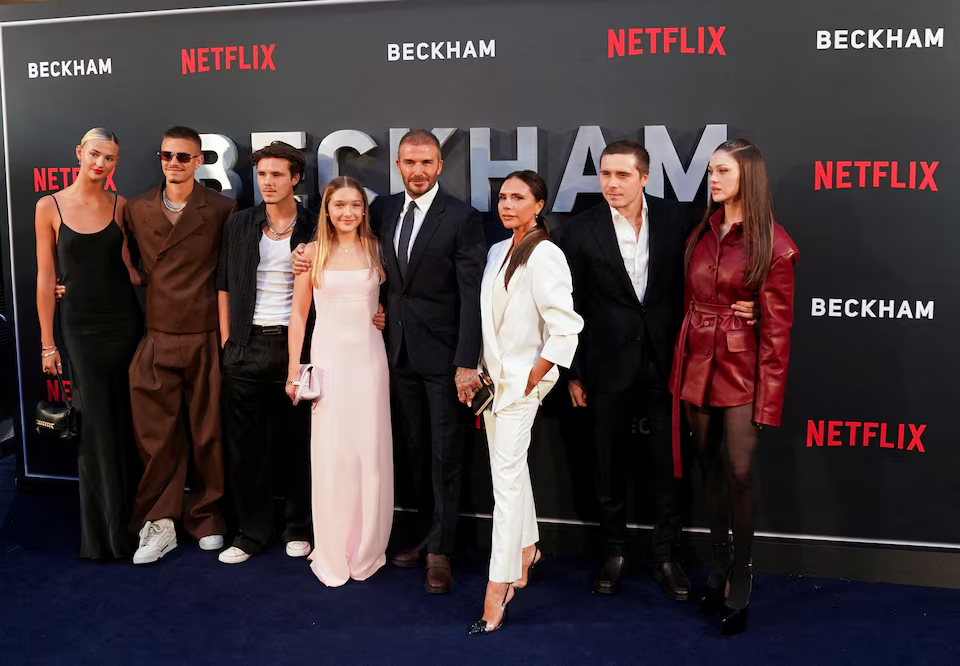

Tensions within the Beckham family have spilled into the public eye, pushing an often-hidden legal issue into the spotlight: who controls the commercial rights to a famous name. Comments posted this week by Brooklyn Beckham, the eldest son of David and Victoria Beckham, reignited debate about how celebrity families use trademark law to protect — and profit from — their identities.
In an emotional social media post, Brooklyn accused his parents of putting “Brand Beckham” above family ties. He claimed that, ahead of his 2022 marriage to Nicola Peltz, he was pressured into signing away rights to his own name. The remarks quickly went viral, fuelling gossip while also drawing attention to the growing practice of trademarking children’s names in high-profile families.
Public records in the United Kingdom show that the names of all four Beckham children are registered as trademarks. Brooklyn’s name was filed in 2016, when he was 17, covering a wide range of categories, including fashion, cosmetics, entertainment, and consumer goods. The registration is due to expire later this year, which could open the door to legal challenges or renegotiation.
When family brands collide with personal identity
Trademarking a celebrity name has long been standard practice, especially as endorsements, licensing, and social media have expanded the commercial value of personal brands. What stands out in the Beckham case is the extension of that strategy to children, years before they establish independent careers.
Brooklyn has not publicly detailed what he was asked to sign, and representatives for his parents have declined to comment. However, the timing of his claim has raised questions, particularly given the family’s extensive commercial partnerships. In early 2022, Authentic Brands Group entered a strategic deal to co-own and manage David Beckham’s brand, underscoring how professionally structured the Beckham business empire has become.
Legal experts say disputes like this are becoming more common. As celebrity families evolve into corporate brands, personal relationships can clash with intellectual property rights. Trademark protection is relatively inexpensive and lasts a decade, making it an attractive tool for families seeking long-term control over lucrative names. Yet that same protection can become contentious once children reach adulthood and want autonomy.
Brooklyn, now 26, may have legal options. Lawyers say he could oppose any renewal of the trademark in his name, especially if it has not been actively used. He could also attempt to register his own trademark for independent ventures. Still, the “Beckham” surname complicates matters, as it is already tightly associated with a global brand built over decades.
In practice, many such disputes never reach court. Negotiation is often the preferred outcome, with limits placed on how a name can be used in certain industries. Brooklyn appears to have already taken a step in that direction. Since marrying Nicola Peltz, he has increasingly used variations of his name, including initials, in marketing projects such as his Cloud23 hot sauce.
For now, the family disagreement has exposed a broader reality. Behind the polished image of celebrity dynasties lies a complex legal framework, where trademarks can protect fortunes but also strain personal bonds. As more famous families turn names into assets, similar conflicts are likely to follow.
